
Renovation Tips for Edmonton Buyers and Sellers
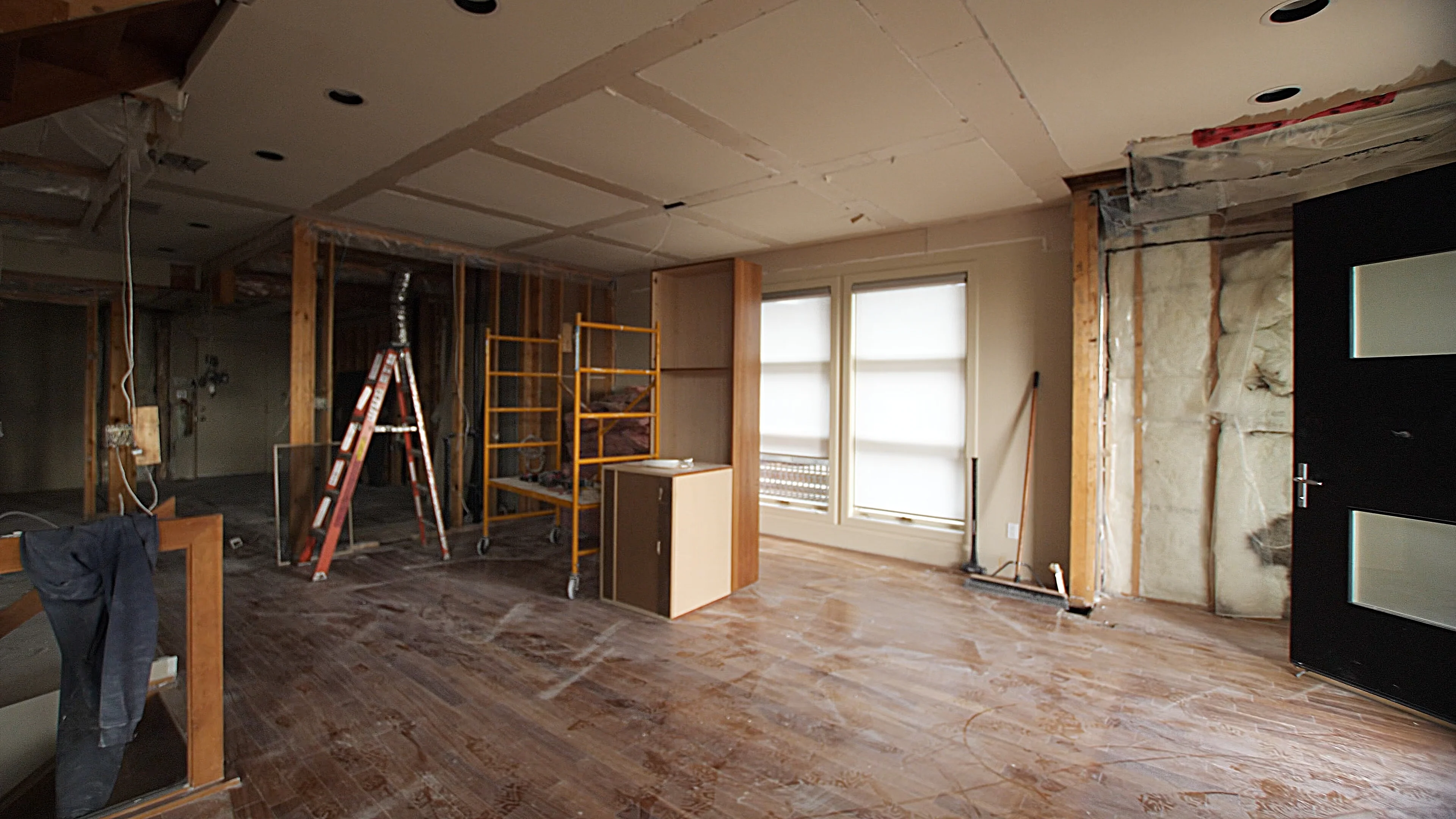
Home renovations sit at the intersection of design, function, and long-term value. And while often guided by what’s trending or what’s been saved on Pinterest, the most successful renovations are rooted in decisions that extend well beyond aesthetics.
To understand what makes a project successful, we spoke with two experienced Edmonton renovators: Tania Bosch, Founder and CEO of Bouwen Construction and Robert Oreski, Principal at Iconic Homes.
Join us as these two experts break down the core principles that guide a well-executed renovation, along with practical insights for both buyers and sellers renovating a home in Edmonton.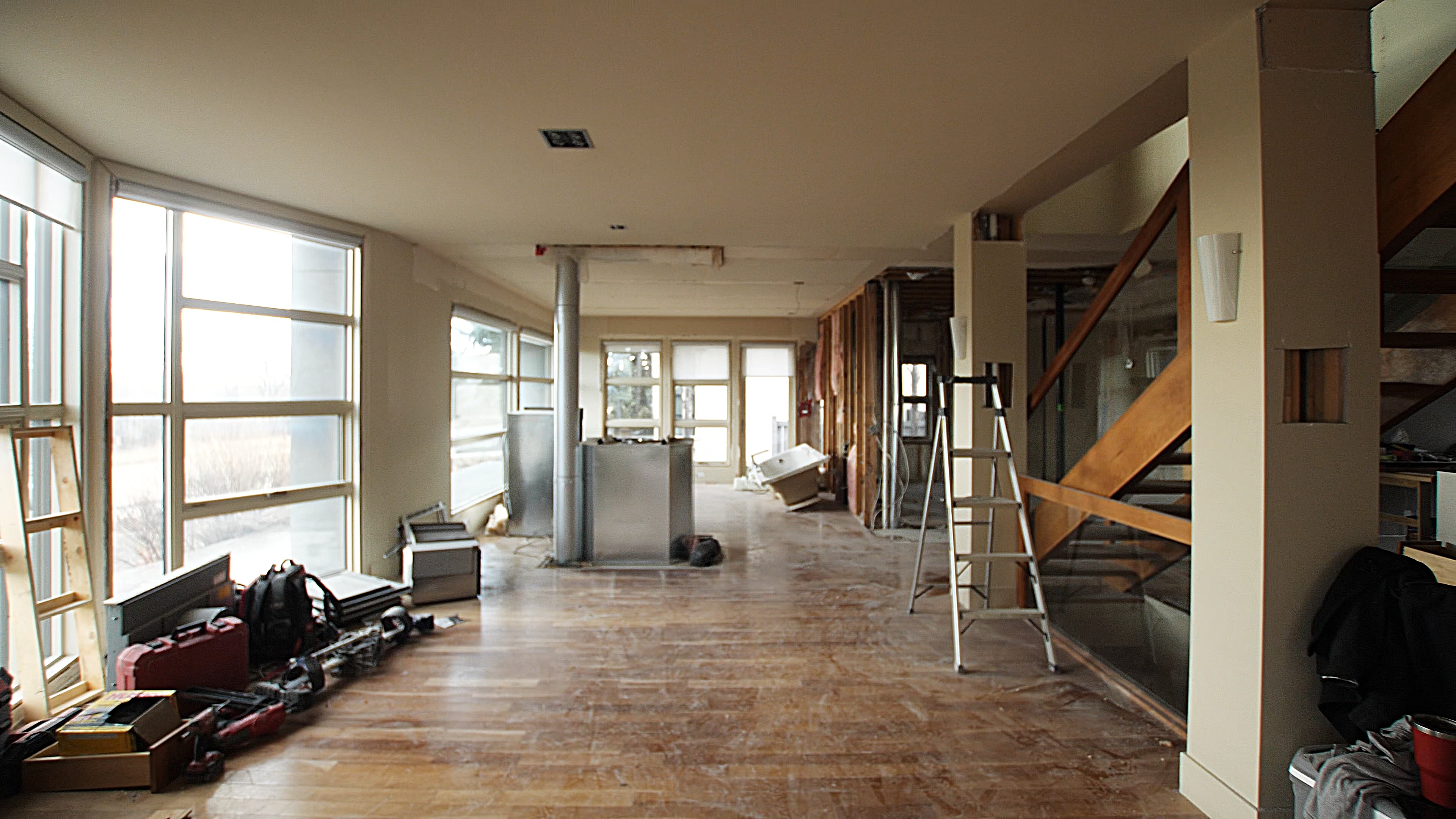
Core Principles of Renovations
Whether you are buying or selling a home in Edmonton, there are certain renovation rules that remain the same.
1. Choose Clarity Over Cost When Hiring
Contractor quotes can vary wildly in scope and quality, so ensure you’re comparing apples to apples. “I like to use the analogy of black pants," Tania shares. "You can buy black pants from Simons, Walmart, or Holt Renfrew. Yes, they are all black pants—but they are absolutely not the same.”
The relationship with your contractor is just as important as the renovation itself. Choose a trusted advisor who offers honest guidance from the start.
“A good builder isn’t just measured by the renovated home that they finish. It’s the relationship that you have with the client during and after the build,” Robert explains. Tania adds, “We’re not there to sell them. I have no problem telling a client it’s not worth doing a certain part of a project.”
2. Expect the Unexpected
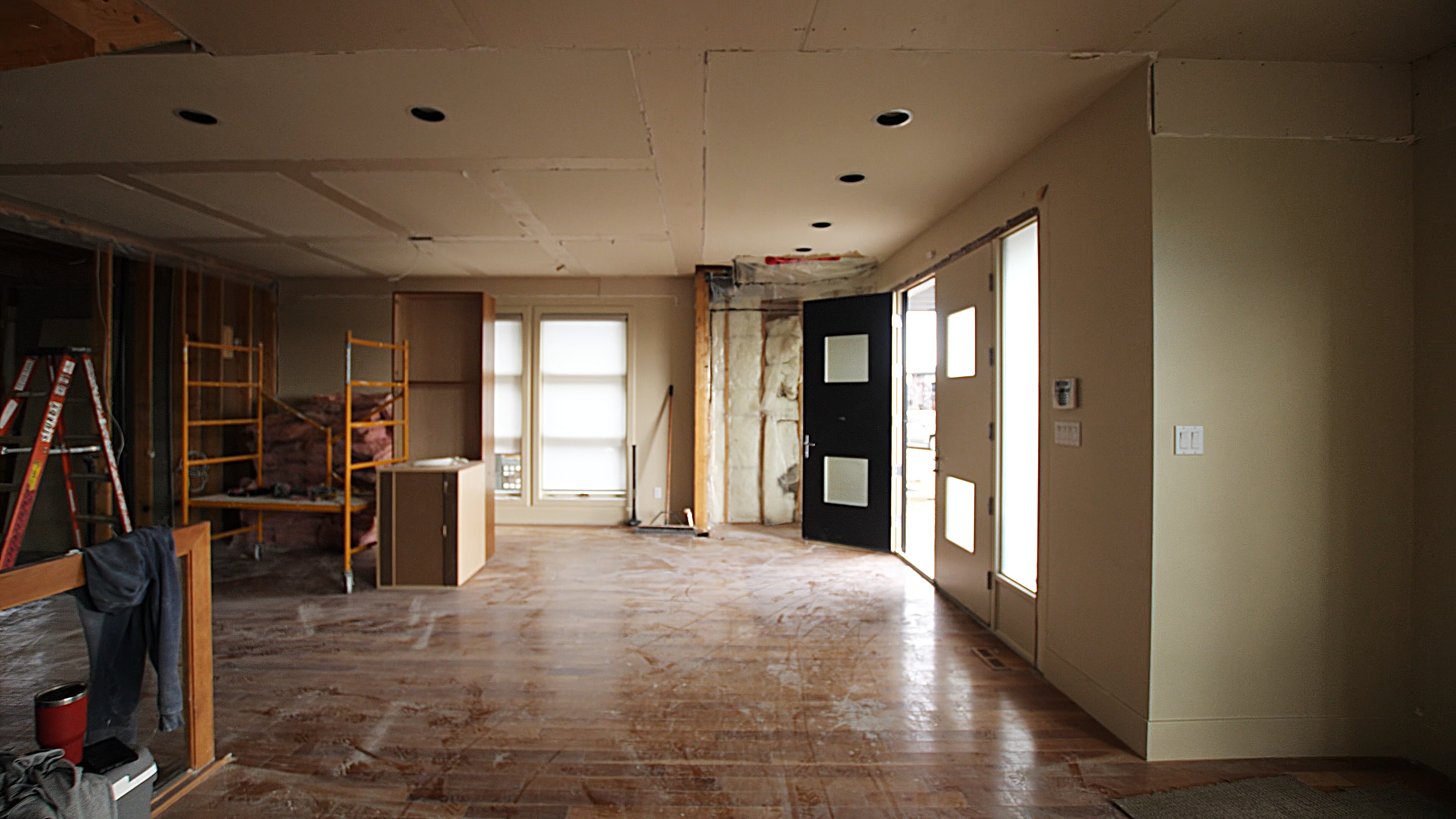
No renovation is completely predictable, and unexpected issues will inevitably arise. Robert notes that opening walls and exposing existing systems can reveal everything from outdated electrical work and aging plumbing to hidden moisture issues or asbestos-containing materials.
“It’s not what happens when things go well—it’s how a contractor navigates the challenges that arise, and whether you feel that you will be taken care of,” says Tania.
Both renovators stress the importance of entering a project with realistic expectations and a contingency budget. With this, unexpected discoveries become challenges to solve rather than project-ending surprises.
3. Sequencing Matters
Sequencing matters much more than most people expect. Renovations done out of order—such as installing flooring before cabinetry or landscaping before building an addition—often lead to unnecessary rework and awkward transitions. Tania notes that she spends significant time educating clients on the value of proper phasing and sequencing, and which aspects must be prioritized first.
4. Quality Outweighs Trends
Quality materials will always outlast trends, especially when it comes to materials like flooring, cabinetry, and millwork.
“A common mistake we see is removing quality products that you may perceive as being dated and replacing them with trendier products that aren’t as high-quality,” says Tania.
Robert sees a similar pattern: “A lot of people rely too much on what they see on TV or Instagram. They get caught up in that wow factor.”
For him, it isn’t about the initial reaction a renovation receives, but how it performs years later. “The test of time” is what separates a well-executed renovation from one that simply looks good on the surface.
5. Consider Cohesiveness and Connection
No matter the scale of the reno, it’s vital to consider how new changes tie into the surrounding areas. A well-presented home doesn’t need every room to match perfectly, but it should feel connected with a seamless flow. Transition points between spaces are critical, especially where older and newer finishes meet.
Renovation Tips for Sellers
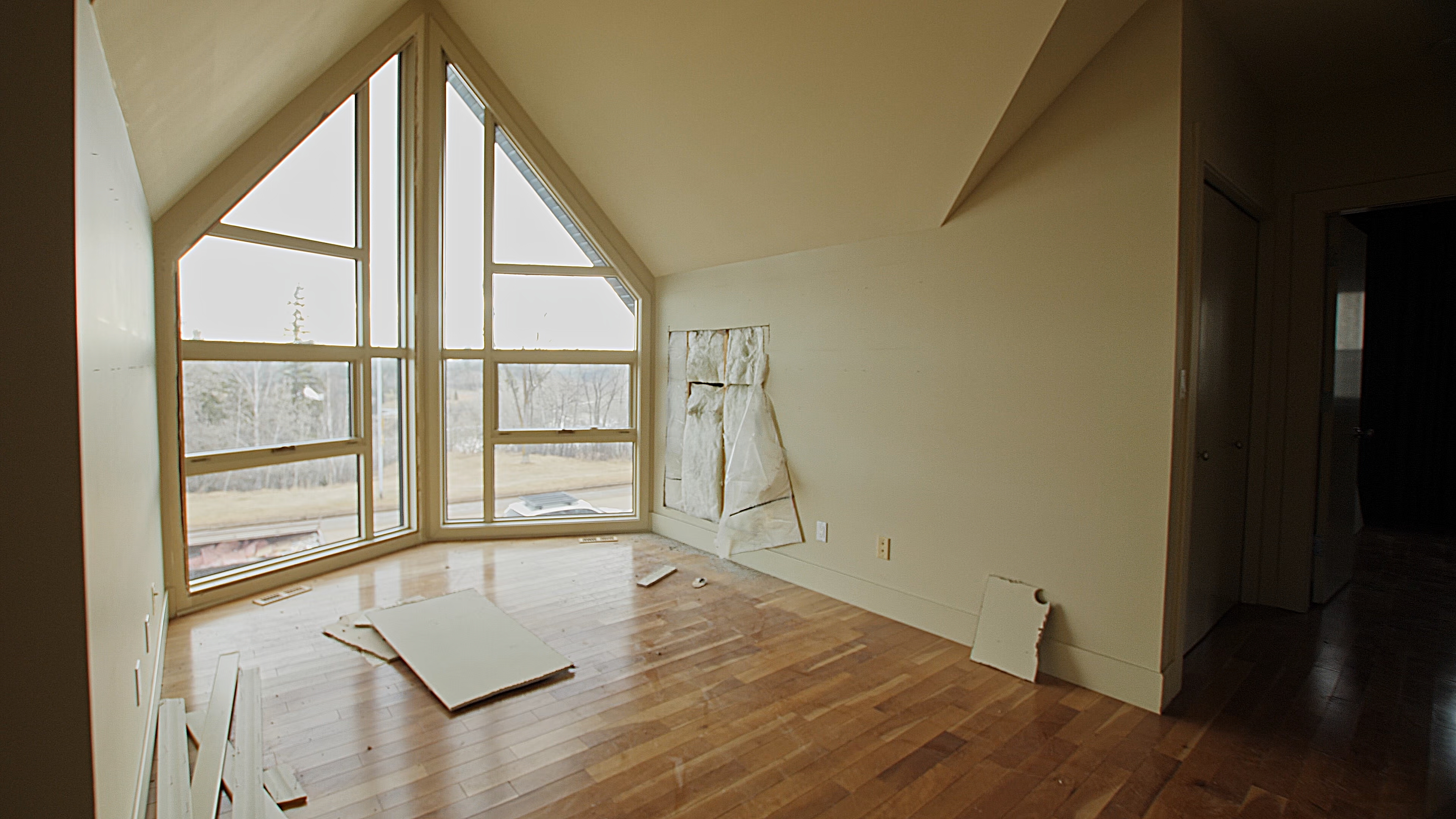
When the goal is selling a renovated home in Edmonton, the focus shifts away from personal preferences and toward maximizing your return on investment. You aren’t renovating for your own tastes and lifestyle; you’re renovating to appeal to the local market.
1. Rely on Real Estate Professionals
To avoid investing in the wrong upgrades, involve the right professionals early in the process. “There’s a lot of value in collaboration between a real estate agent and a contractor if selling is the goal to ensure that the anticipated repairs are actually going to yield a return on investment,” Tania notes.
Not all renovations translate equally at resale, and understanding where to spend (and where not to) is key. A combined perspective helps ensure that updates are intentional, appropriately scaled, and aligned with both the condition of the home and the realities of the local market.
2. Condition Comes First
Before adding anything new, ensure the existing elements in the home function well. Loose handles and sticking doors may seem minor, but they heavily influence a buyer's perception. A well-cared-for home will almost always sell better than one that is heavily updated but poorly maintained.
As Tania advises, “Repairing things so that they are in good condition is money much better spent than anything else. And it’s not about slapping it together... but repairing it well.”
3. Focus on High-Impact Updates
High-impact updates like fresh paint, lighting, hardware, and refinishing existing elements can significantly improve how a home presents, often with stronger returns than full-scale replacements. They help a space feel current and well cared for without over-investing in areas where returns are less predictable.
Robert recommends focusing renovation dollars where buyers focus first. “The front exterior is important. Inside, it's the kitchen, living room, primary bedroom, and ensuite.”
4. Keep Finishes Neutral
When renovating for resale, Robert emphasizes that broad appeal is essential. Highly specific design choices can quickly alienate potential buyers.
“Avoid anything super trendy—anything that is very specific to certain tastes—that isn’t neutral or classic,” Tania advises. “There’s something to be said for freshness and something feeling crisp. Give them a blank canvas to envision it as their home.”
5. Know Your Neighbourhood
Every area has a price ceiling. Bringing a home up to the standard of its surrounding neighbourhood makes financial sense, but pushing far beyond that rarely translates at resale. Consult with a knowledgeable real estate agent to align your renovation plans with your pricing strategy and the demographic of your potential buyer.
Renovation Tips for Buyers
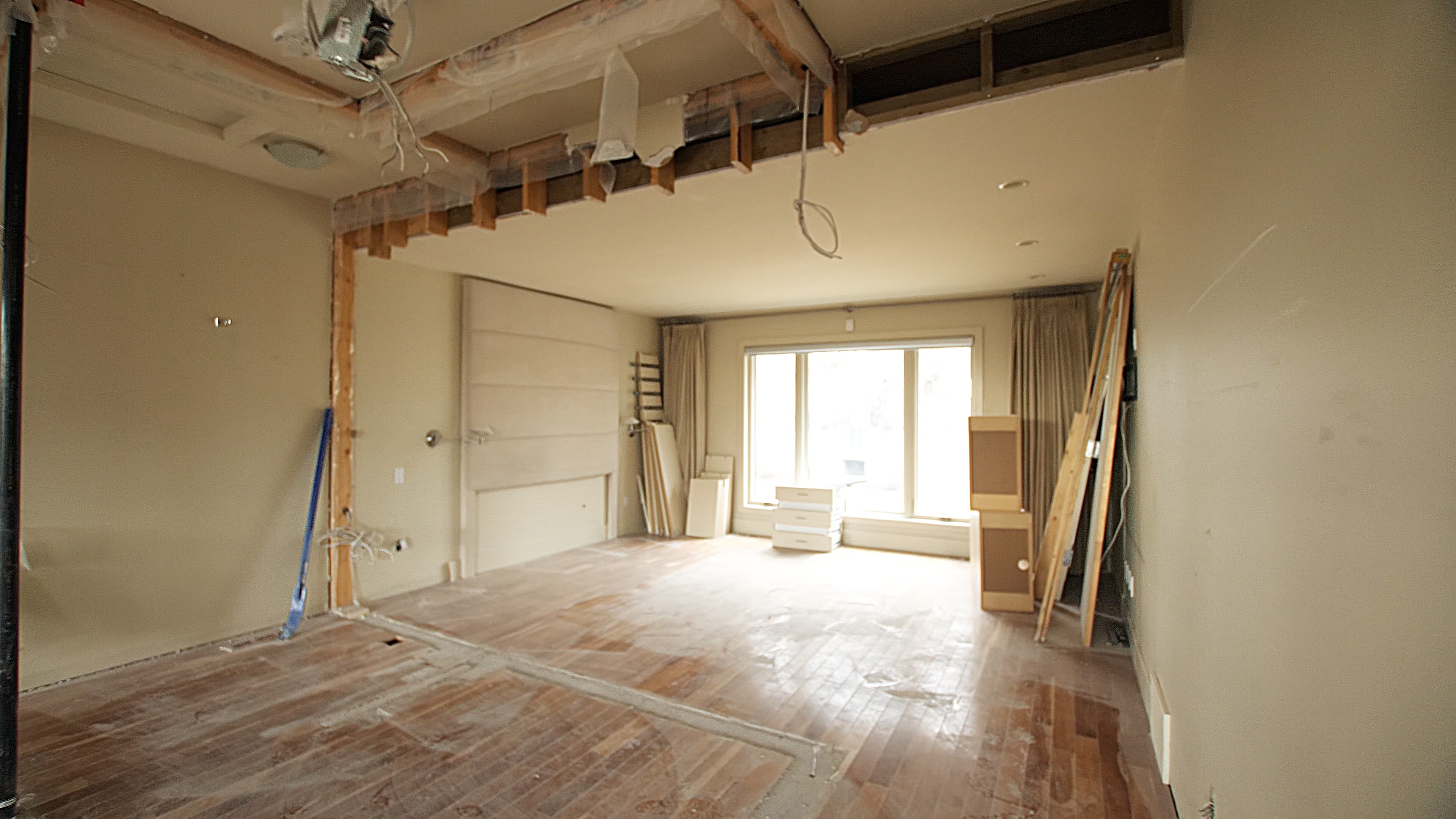
Buying a property with renovation potential is a great way to get into your dream neighbourhood, with the focus shifting away from immediate returns. Here, your budget can go towards improvements that enhance your daily living, while still keeping long-term value in mind.
“The investment you’re putting in may not always be fully recouped,” Robert cautions. “But there’s value in the enjoyment you’ll have over your time spent in that home.”
1. Location Matters
Securing a great property in a sought-after neighbourhood should always be a priority. Your investment will naturally yield a higher return simply by virtue of its location.
2. Be Cautious of Partial Renovations
Buying a partially renovated home isn’t always a win. “Sometimes nothing having been done is better than a whole bunch of things being done along the way,” Tania explains.
Robert notes the same. “We’ll see homes that have gone through multiple renos already and the new buyer is trying to fix 20, 30, 50 years of previous homeowners' investments into what they felt the house should look like.”
In many cases, an untouched home can actually be a stronger renovation candidate than one that has been repeatedly altered over time.
3. Pay Attention to Structure and Systems
The structural soundness of a property is non-negotiable. Whether you plan to add a second story, develop a basement, or open up a floor plan, look for red flags like foundation issues or signs of water damage before committing to a purchase.
Beyond structure, the home’s core systems—electrical, mechanical, plumbing, windows, and roofing—will significantly impact your budget if they aren’t in good working order. Understanding the true condition of these elements during your Edmonton home search helps prevent unexpected costs from taking away from the more exciting design decisions.
4. Consider the True Cost of Older Homes
“Once upon a time, we’d see a lot of homes from the 50s or 60s, but there’s the asbestos element,” cautions Tania. Homes from this era can carry significant hidden costs—abating asbestos alone can range from $30,000 to $50,000, often draining a renovation budget before any cosmetic work begins.
“We’re seeing a lot more stuff from the early 2000s now that people perceive as feeling dated instead,” she adds.
5. Reconsider AddING Square Footage
Additions are a common consideration in home renovations, but they’re not always necessary. In many cases, reworking the existing footprint can significantly improve functionality without the added cost and complexity of building outward or upward.
As Tania explains, “People always think they need an addition, but we often find they just need a different configuration of the space.”
6. Budget Beyond Construction
Much of the budget is typically allocated to construction, but the finishing touches—appliances, window coverings, furniture, and interior design—are just as important to the overall transformation and should be factored into your initial budget. Outlining these costs from the outset helps avoid surprises down the line.
The Bottom Line on Renovations
It’s easy to get caught up in the excitement of an HGTV-inspired transformation, and while savvy design is certainly part of the conversation, real estate value isn’t built on what’s trendy—it’s built on what lasts.
For Tania, what elevates a renovation is “the quality of the products used, how they’re installed, and how the details are considered and executed.” For Robert, success isn’t defined by how a renovation looks at completion, but by how it performs years down the line.
Ultimately, that level of execution comes down to having the right team. Working with experienced professionals—a trusted renovator and a strategic real estate advisor guiding your purchase or sale—helps you avoid costly missteps and positions your renovation for a stronger long-term return.
Reach out to the Holland & Associates team for help with buying a home to renovate or selling a home in Edmonton, and visit the Bouwen Construction and Iconic Homes websites to learn more about their general contracting and home building services.
Posted by Kerri-lyn Holland onEnjoy this blog post? Click here to subscribe for updates
Leave A Comment